Graphic design in Nairobi: posters, flyers and logos
We design event posters, flyers, social media graphics, logos and e-book covers for businesses, schools, churches and event organisers in Nairobi and across Kenya.
- Posters from KES 4,000
- Logos from KES 15,000
- Brand kits from KES 35,000
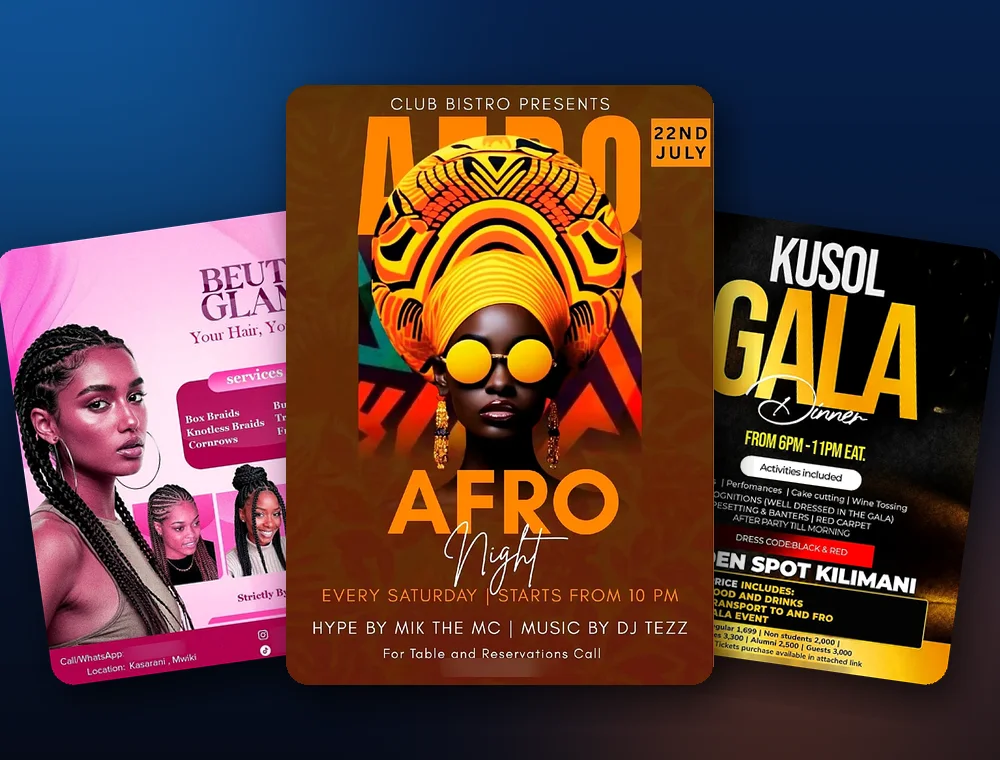
Our design portfolio
Tap any design to enlarge it. Client contact details are blurred for privacy.
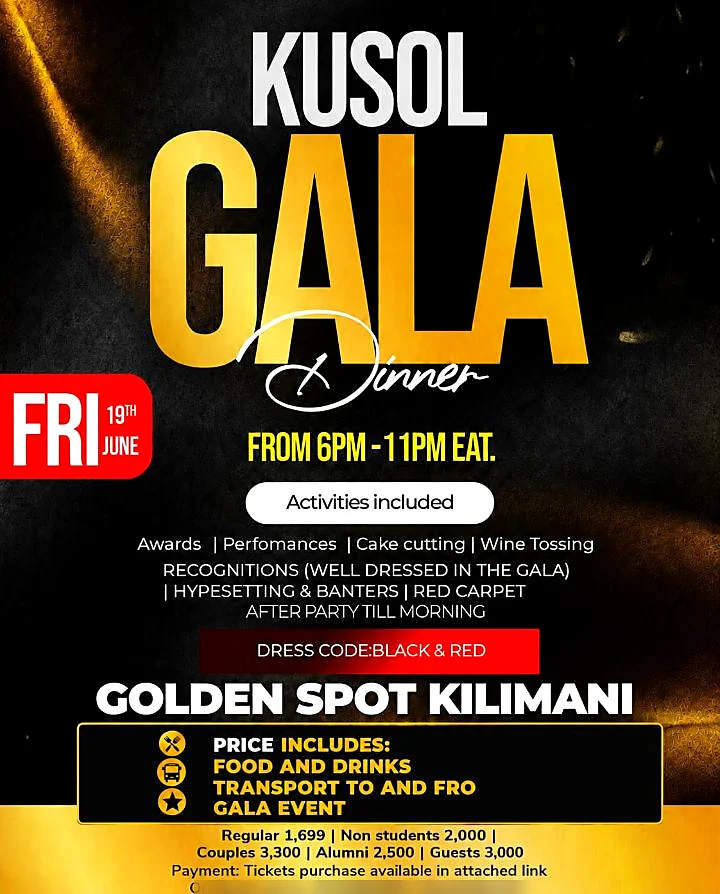
Event poster designs
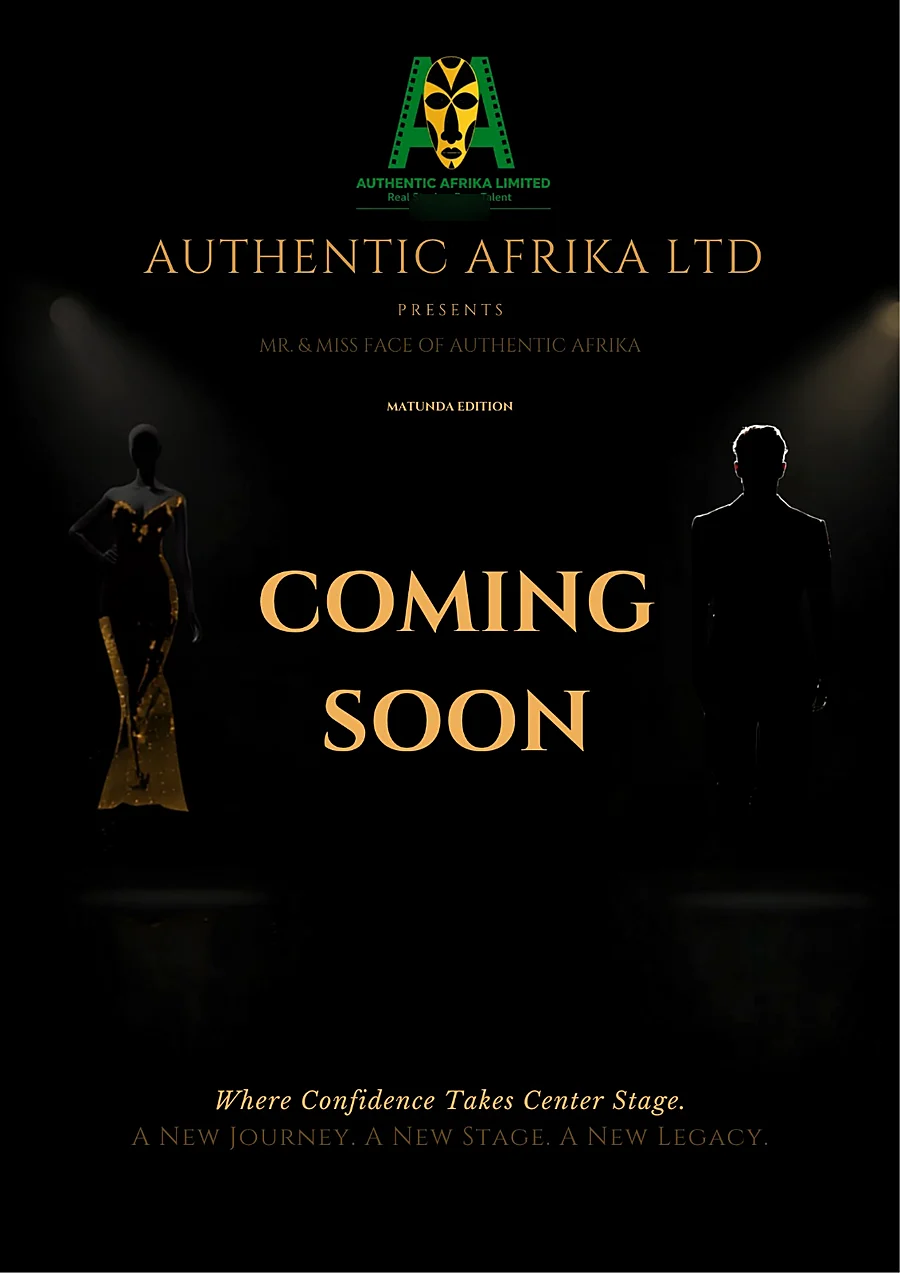
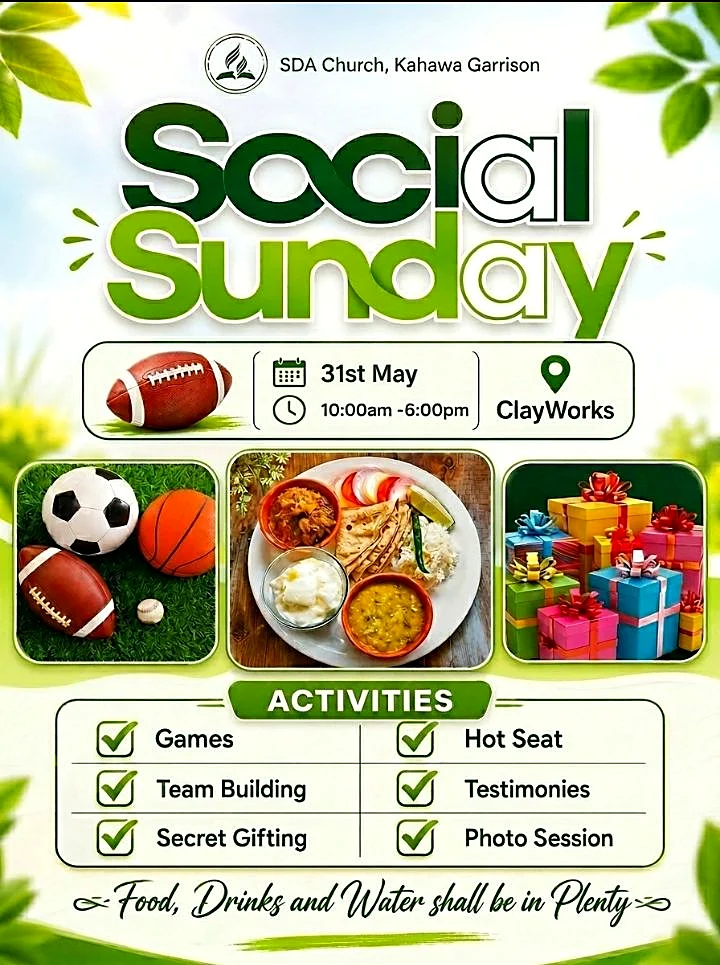
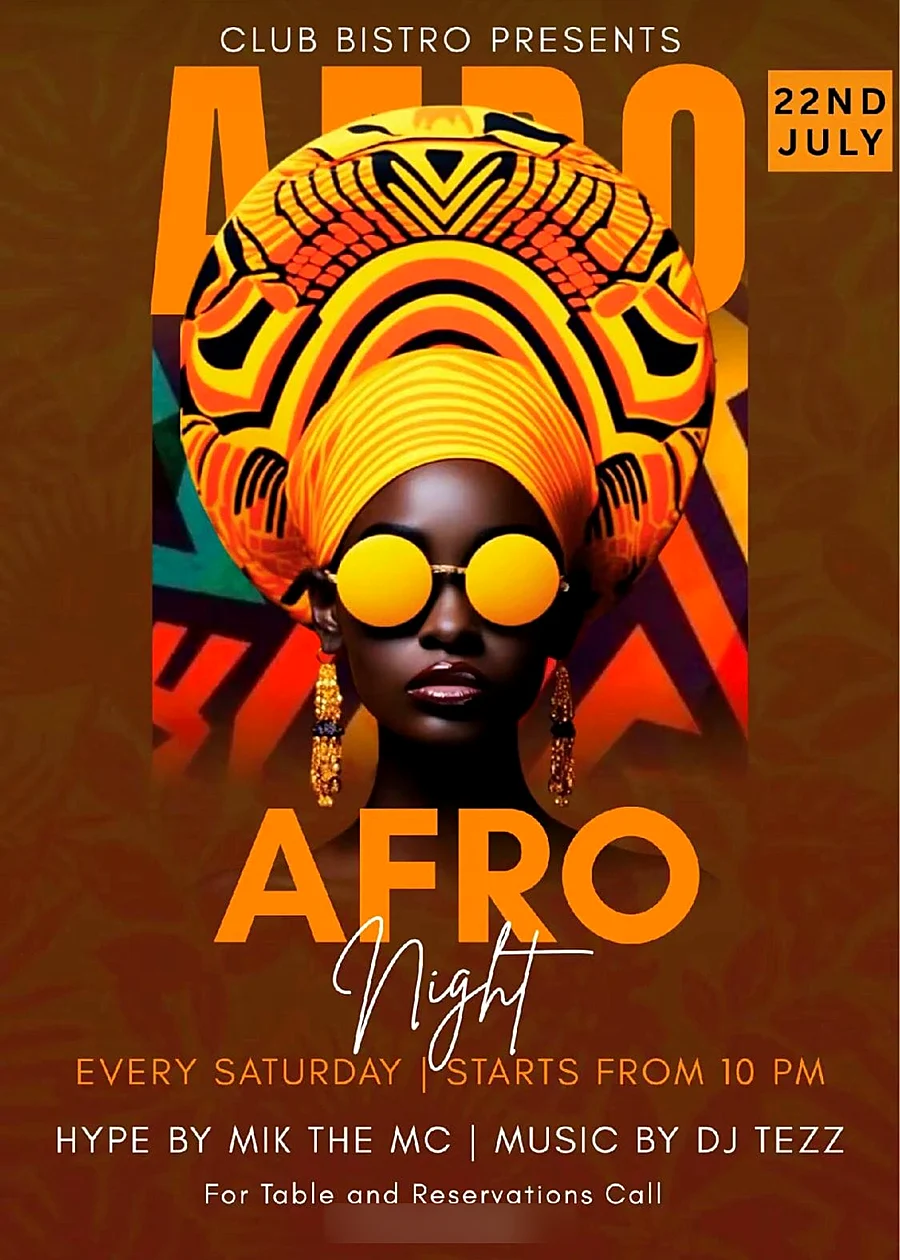

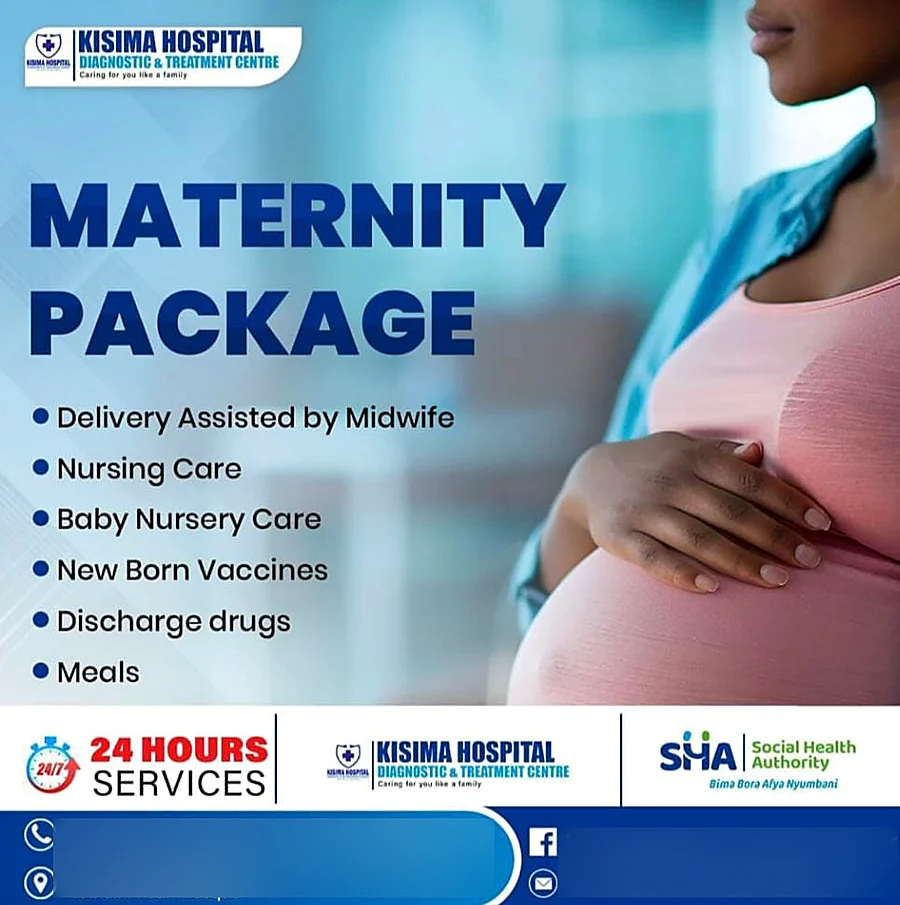
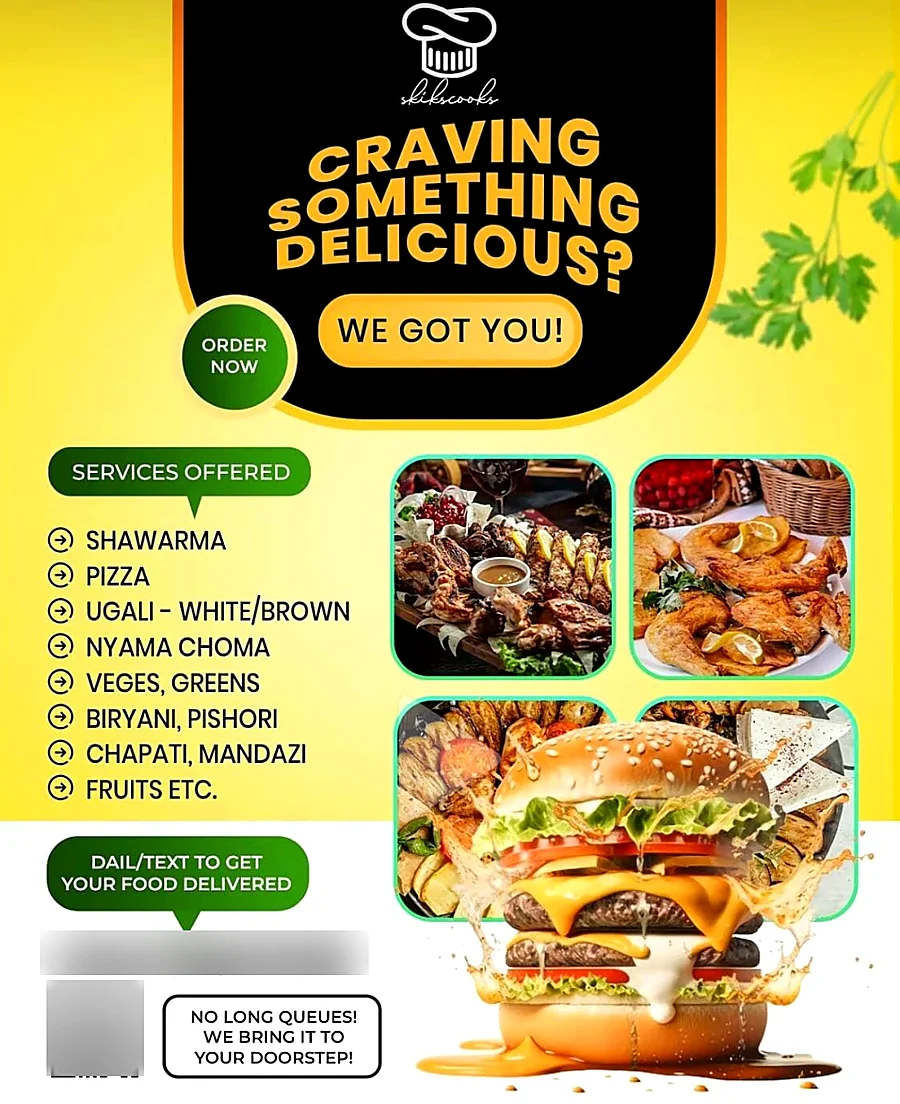
Flyer designs for businesses
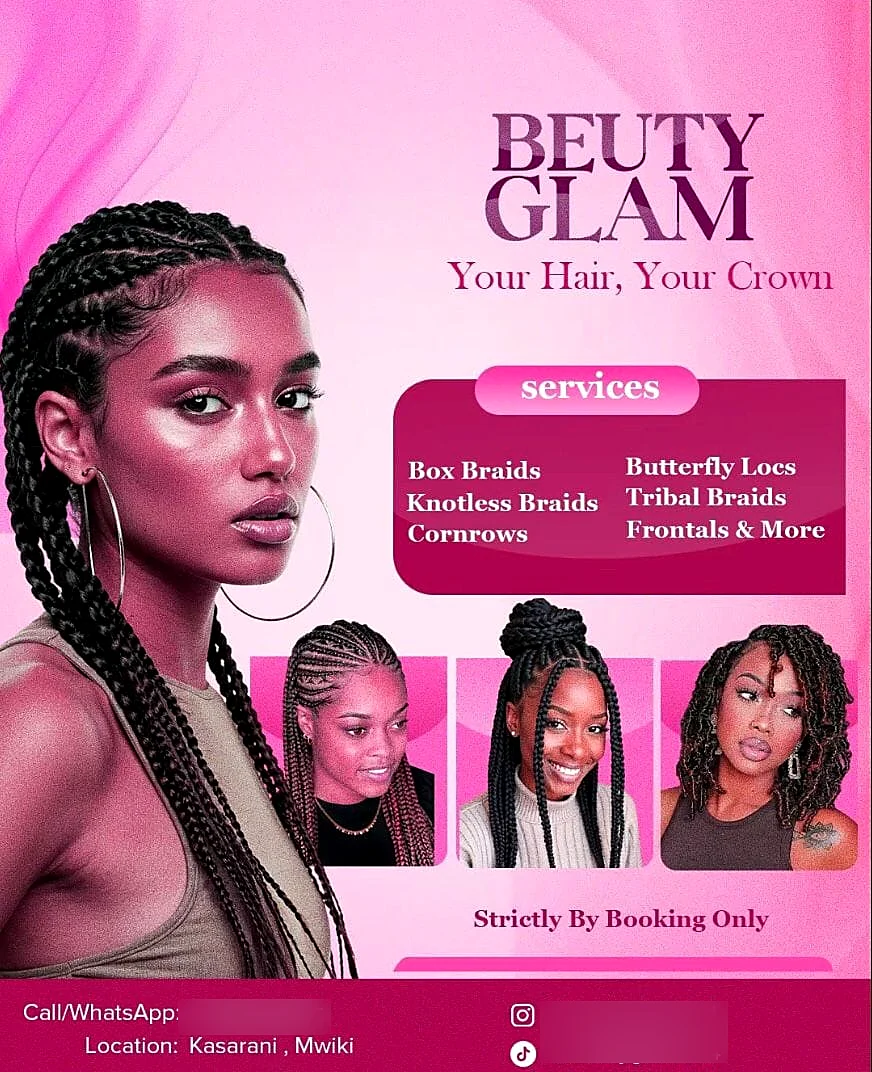
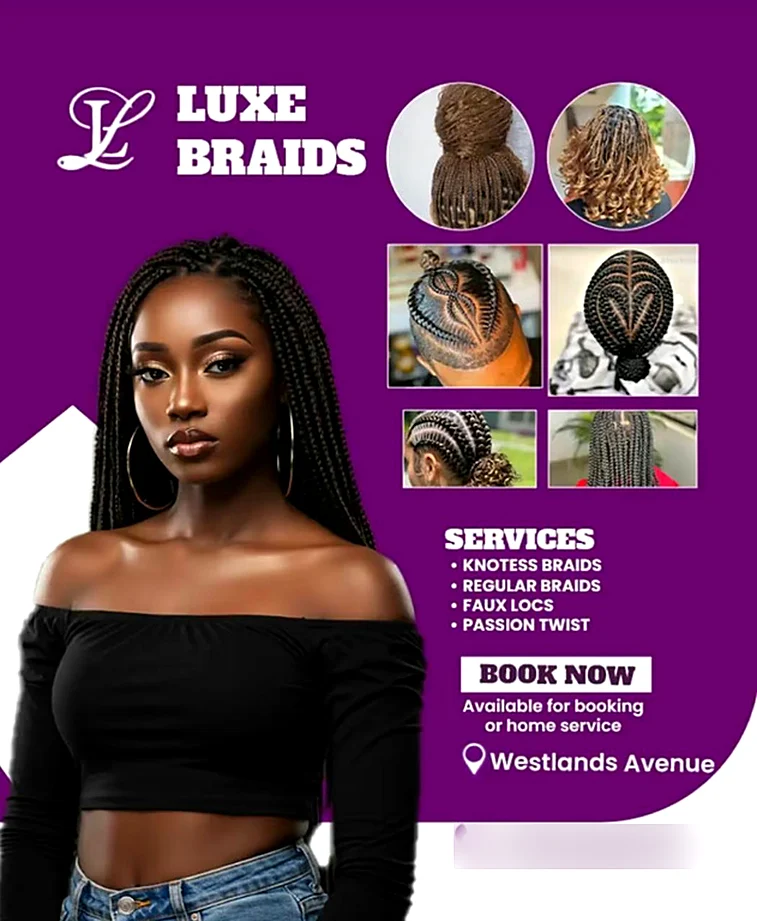
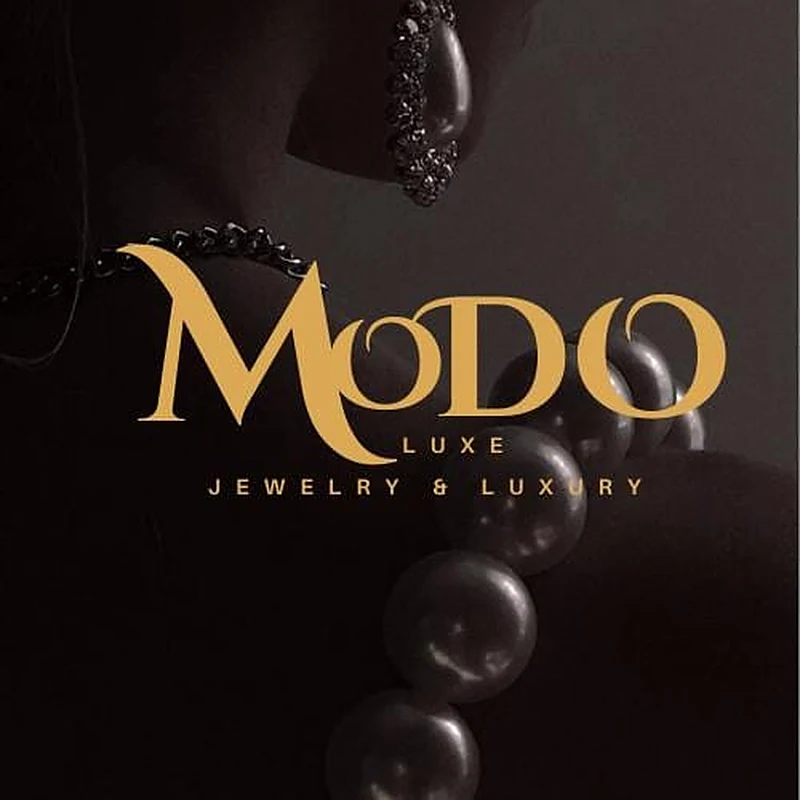
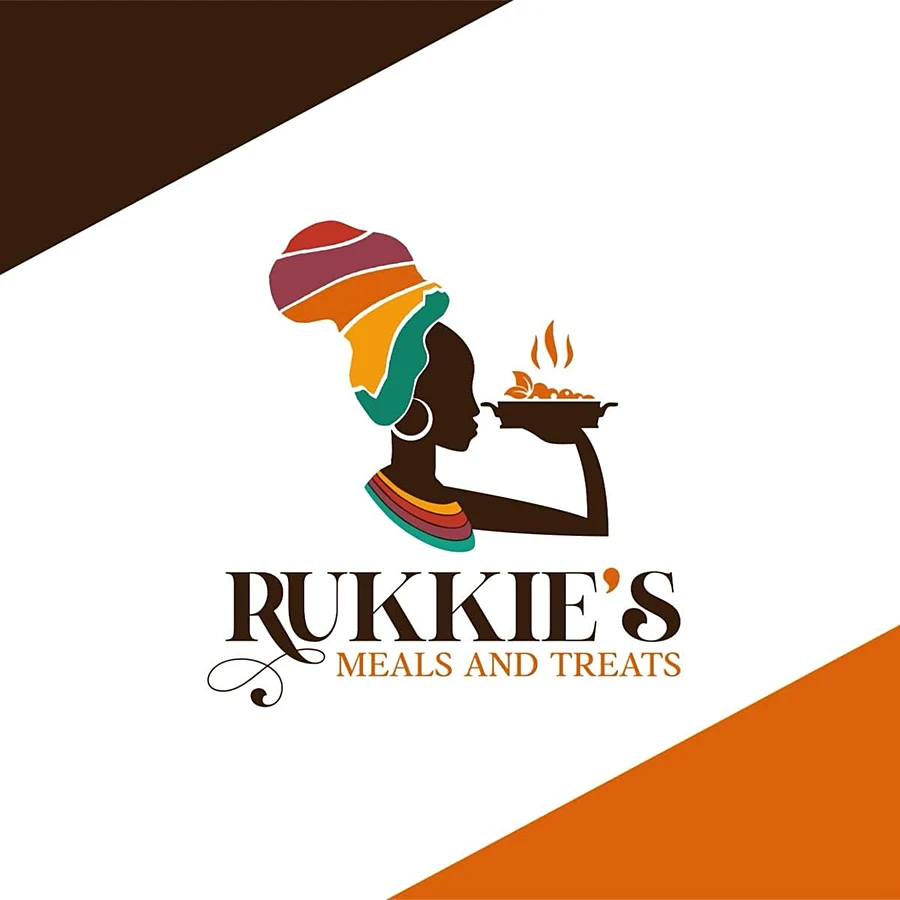
Logo design
E-book cover design
Like what you see? Tell us about your event or brand and we will quote you.
Request a design quote See pricingDesign in motion: watch how we work
Short videos of our design process and an animated promo ad.
Promo design for a clothing store. Screen recording of a social media promotion for a clothing store being designed in Adobe Illustrator, from blank artboard to finished layout.
Animated shoe sale promo. A 15-second animated promotional ad for a shoe store’s weekly special offer.
Logo design process for Wanje Valley. Screen recording of a brand logo being built in Adobe Illustrator, from the first shapes to the finished Wanje Valley logo.
What is included
- Event posters and flyers for galas, launches, church and school events
- Promotional flyers for salons, restaurants, clinics and shops
- Social media graphics sized for Facebook, Instagram, TikTok and WhatsApp status
- Logo design with two concepts, two revisions and all file formats
- E-book and book cover design
- Brand kits with colours, fonts, guidelines and templates
- Print-ready files and web-ready images
How it works
- Brief. You send the event or business details, your logo, photos and wording.
- Concepts. We design a first version in your colours and style.
- Revisions. We adjust it with you until it is right.
- Delivery. You receive print-ready files and images ready for social media.
Graphic design pricing in KES
Starting rates, excluding VAT. Pay by M-Pesa or bank transfer, and larger projects can be split into milestones. See all pricing.
Who it is for
Event organisers, churches, schools, salons, restaurants, clinics, authors, online teachers and companies that want clear, professional designs that people notice and share.
A good design lets someone understand the message without working hard. The offer is clear, the important details are easy to find and the next step makes sense. That is what matters when your poster is viewed on a phone, your flyer is handed to a customer or your proposal reaches a busy decision-maker.
Lirick Digital Hub creates graphic design for businesses, schools, event organisers and organisations in Nairobi and across Kenya. Our work includes posters, flyers, social media graphics, logos and book covers. Tell us what the material needs to achieve, and we can shape the brief around that practical job.
Begin with the action the design should support
“Make it attractive” does not tell a designer enough. Explain who will see the material, what they already know and what you want them to do. Booking an event, requesting a quotation and understanding a service are different tasks. Each needs a different arrangement of information.
Choose one primary action. A poster that asks people to call, follow, subscribe, visit, scan and buy may leave no obvious priority. Other details can remain available, but the main route should stand out. Clear hierarchy helps the reader decide what deserves attention first.
Before discussing colours, gather the facts. Confirm the business or event name, dates, venue, offer, contact information and any conditions. A polished design with the wrong phone number is still a failed communication. Accurate source material saves revision time and protects your reputation after publication.
Poster design should respect how people view it
A social poster may appear for a moment while someone scrolls. A printed event poster may be seen from a distance. Both need a clear reading order, but the required type size, detail and layout can differ. Start by identifying where the design will actually be used.
For an event, prioritise the name, reason to attend, date, location and booking route. Supporting names, sponsor marks and conditions should remain readable without competing with the core message. If there is too much information, use a second slide or a linked event page rather than shrinking everything.
A useful test is to look at the design at the size a customer will see. Can you identify the event and date quickly? Can you read the contact information? Can someone unfamiliar with the organisers understand what is being offered? These checks are more valuable than reviewing only a large desktop preview.
Flyer design needs enough detail to help a decision
A flyer often carries more explanation than a poster. It may describe a service package, introduce a business or support a conversation at reception. Organise it around customer questions: what is offered, who it suits, what is included and how to proceed. Avoid using every available space simply because it is there.
For a Kilimani service business, practical information may include the real location, appointment requirements and service coverage. For a company delivering across Kenya, the important details may concern delivery, remote consultations or order handling. The design should make those details usable, not merely add a list of place names.
Plan the front and back together if the flyer has two sides. The first side can establish the offer; the reverse can explain options or preparation. Make sure essential contact information appears where it can be found easily. A reader should not need to remember which side contained the next step.
Social media graphics should work inside a feed
A social graphic is one part of a post. The caption can carry explanation, while the visual establishes the main message. Trying to place the entire caption inside the artwork often reduces readability. Decide what belongs on the image and what can be explained in the accompanying text.
Prepare the correct versions for the intended placements. A square feed graphic and a vertical story need different composition, even when they share the same idea. Keep important details away from interface areas where controls may cover them. Preview each export rather than assuming one crop will work everywhere.
For recurring content, use a small set of flexible templates. A useful system can cover offers, questions, testimonials used with permission and service explanations. Templates should support clarity, not force every message into an identical arrangement. Different content may need a different balance of image and text.
Give your designer a brief that reduces guesswork
Send a short description of the audience and purpose, the final wording, approved logo files and suitable images. Include dimensions, intended platforms or printer specifications, deadline and the person authorised to approve. If there are mandatory details, list them separately so they cannot be mistaken for optional copy.
Reference designs can help explain a preference, but describe what you like about them. Perhaps it is the spacing, type treatment or photographic style. Asking for a copy creates originality and ownership problems. A useful reference starts a conversation about direction without replacing the need for an original solution.
State constraints early. A school may need conservative imagery. A professional firm may require a restrained style. An event may have sponsor requirements. These are legitimate design conditions, and discovering them after approval can cause unnecessary rework. A clear brief gives creativity something specific to solve.
Choose images that support the claim
The strongest image is often the one that helps a reader understand the actual offer. A product should resemble what is sold. A venue photograph should not imply facilities that are unavailable. An illustration can simplify a process, but it should not create a false impression about the service.
Check image rights and permissions before publication. A photograph found online is not automatically available for commercial use. If stock material is used, confirm that the licence fits the intended use. If people are identifiable, consider the relevant permissions and the context in which their image appears.
Generated imagery can be useful for conceptual work, but it needs careful review. Check anatomy, objects, text, logos and local details. Do not present a generated scene as documentary evidence of
a real client, event or completed project. Trust depends on the relationship between the visual and the claim.
Keep words, numbers and design working together
Design cannot rescue unclear copy indefinitely. If the offer takes several paragraphs to explain, refine the message before reducing the font. Lead with the customer benefit or practical question, then provide the detail needed to act. Keep important conditions visible and connected to the relevant claim.
Review numbers separately. Dates, fees, percentages, phone numbers and account details are easy to overlook because the eye becomes familiar with the artwork. Read them from the approved source rather than memory. Ask another person to check the final export, especially for material that will be printed in quantity.
Use emphasis carefully. When everything is bold, bright or large, nothing has priority. Create a clear sequence using scale, spacing and contrast. The aim is to guide attention, not compete with the reader. A quieter layout can be more persuasive when the message itself is useful.
Prepare print files for the actual printer
Print preparation depends on the final size, production method and supplier requirements. Confirm those details before exporting. A file that looks sharp on a phone may not be suitable for a large printed banner. Discuss resolution, colour setup, bleed and safe areas with the printer where relevant.
Ask for a proof before producing a large quantity. Check trimming, small text, colour appearance and contact details. Screens and printed materials can look different, so avoid promising an exact match based only on a monitor preview. A physical sample can prevent an expensive misunderstanding.
Printing and design are separate services unless the quotation says otherwise. Confirm who supplies the final file, who approves the printer’s proof and who handles delivery. When several suppliers are involved, a named decision-maker keeps the project moving and makes responsibility easier to trace.
Agree revisions and file delivery before starting
A revision improves the agreed direction; a new brief changes the project. Clarify how many review rounds are included and what happens when the offer, size or content changes substantially. This protects both the client’s budget and the designer’s ability to deliver properly.
Collect feedback in one place. “Move it slightly” is less useful than explaining that a date is being missed or the contact line is too small. Describe the communication problem whenever possible. That gives the designer room to solve it rather than follow conflicting instructions from different reviewers.
Confirm the delivery formats. Web images, transparent assets, print PDFs and editable source files serve different purposes. Ask what is included and whether fonts or linked images need separate licences. An organised handover makes it easier for your team to reuse the work responsibly later.
Use design consistently across the business
Customers may encounter your business through a social post, a quotation, a WhatsApp document and a printed sign. Those materials do not need to look identical, but they should feel connected. Consistent logos, type choices, colours and language reduce confusion and make the business easier to recognise.
If each new design requires a fresh debate about colours and fonts, a basic brand guide may be the more useful next investment. It can reduce repeated decisions and help different suppliers work in the same direction. Graphic design then becomes faster to brief and easier to review.
Consistency also includes accuracy. When an address or phone number changes, update the templates and shared asset folder. Old artwork can return months later if it is not clearly retired. Keep approved current materials separate from archived campaigns so the wrong information is not reused by accident.
What affects graphic design pricing?
The type of material, number of versions, research, illustration, source assets and revision scope all affect the work. A single supplied-copy poster differs from a brochure requiring interviews, copywriting and several page layouts. Compare quotations by deliverables and responsibilities, not simply by the name of the item.
Lirick’s published starting price for a poster or flyer is KES 4,000, excluding VAT. Larger design requirements and specialist formats should be confirmed in a written quote. See current pricing at pricing page and explain the intended use so the scope can be matched to the project.
A rush deadline may limit the time available for concepts, checks and approvals. If timing is fixed, prioritise the essential deliverable and agree a realistic review process. Supplying accurate copy and usable assets early often contributes more to speed than requesting repeated last-minute changes.
A final check before an event poster leaves the studio
Picture a fictional event with a polished headline and striking photograph. The design still needs a factual review. Read the date, start time, venue and ticket instruction against the organiser’s approved brief. Check that the booking route works and that any age, entry or payment conditions are stated accurately.
Next, view the poster on a phone at its ordinary display size. If the venue is difficult to read, simplify the layout rather than assuming viewers will zoom in. If sponsor marks compete with the event title, review the agreed hierarchy. The organiser may need to resolve priorities before the designer can finalise the arrangement.
Finally, open the exported file itself. An approved working document is not the same as a checked final export. Confirm that no text has shifted, an image has not disappeared and the correct version was delivered. For print, obtain the supplier’s proof where appropriate before producing a large quantity.
These checks are small enough to become a routine. They protect the purpose of the design: helping someone understand the event and attend correctly. A memorable visual matters, but it should carry dependable information all the way to the finished material.
Send a brief with a clear destination
Whether you need a launch poster, a service flyer or a set of social graphics, begin with the reader and the action. Useful design makes the message easier to understand and the next step easier to take. It should support the business, not simply fill the screen.
Request a design quote at contact page. Send the wording, logo, intended sizes, deadline and any approved images. You can also review Lirick’s published work at graphic design nairobi before discussing the direction that fits your project.
Frequently asked questions
How much does poster design cost in Nairobi?
A flyer or poster starts from KES 4,000. A pack of 30 social media designs is KES 15,000, a logo is KES 15,000 and a brand kit is KES 35,000.
Can you design event posters for galas, church events and launches?
Yes. Our recent work includes a gala dinner flyer, a church social day poster, a club night poster and a wine tasting night poster. Send the event details and your preferred colours.
Do you design flyers for salons, restaurants and clinics?
Yes. We design promotional flyers and posters for salons, restaurants, hospitals and shops, with your services, prices and a clear way to book or order.
Do you design logos for businesses in Nairobi?
Yes. Our logo package includes two concepts, two revisions and all file formats. Recent logos include a jewelry brand, a meals and treats business and a kitchen. A full brand kit adds colours, fonts, guidelines and social media templates.
Do you design e-book covers?
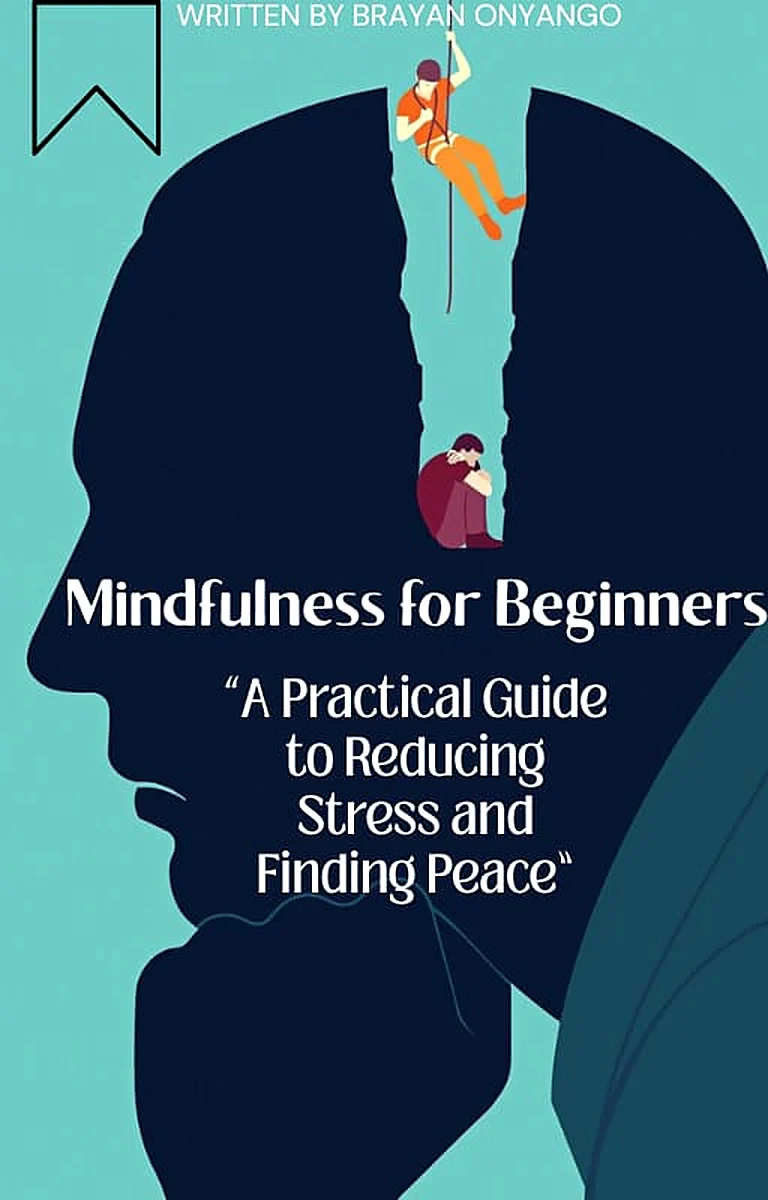
Yes. We design e-book and book covers for online stores and print. Send the title, the author name, a short description and any images you want to use. E-book covers are quoted per project.
What do I need to send you for a flyer or poster?
The name of your event or business, the date, time and place, your logo, any photos, your preferred colours and the wording you want on the design.
Can you size designs for WhatsApp status and social media?
Yes. We size designs for Facebook, Instagram, TikTok and WhatsApp status, and we prepare print-ready files when you need them.
Can you design for both print and social media?
Yes, Lirick provides print-ready and web-ready design materials within the agreed scope. Tell us every intended use before work begins. Different sizes may require layout changes, so confirm the versions rather than assuming one file suits all placements.
Do I need professional photographs?
Not always, but the images need to be clear, relevant and suitable for commercial use. We can discuss whether supplied photographs, licensed stock or illustration fits the project. A genuine product or venue image is especially useful when customers need to judge the real offering.
Can you improve an existing design?
Share the current artwork and explain what is not working. If editable files and usage rights are available, an update may be suitable. Sometimes a fresh layout is more efficient when the original structure cannot accommodate the revised message clearly.
How can I make approvals easier?
Choose one reviewer, confirm the copy before design and combine feedback into a single response. Check facts separately from preferences. A clear approval process reduces conflicting changes and gives the designer a reliable route to the final version.
Related services
- How much does logo design cost in Kenya?
- How to design an event poster
- Social media management in Nairobi
- Website design in Nairobi
- SEO services in Nairobi
- Digital marketing packages
Need a poster, flyer, logo or e-book cover? Send us your details and we will quote you.
Request a design quote WhatsApp usDesigns shown are samples of our work. Brand names, logos and event details belong to their owners.